
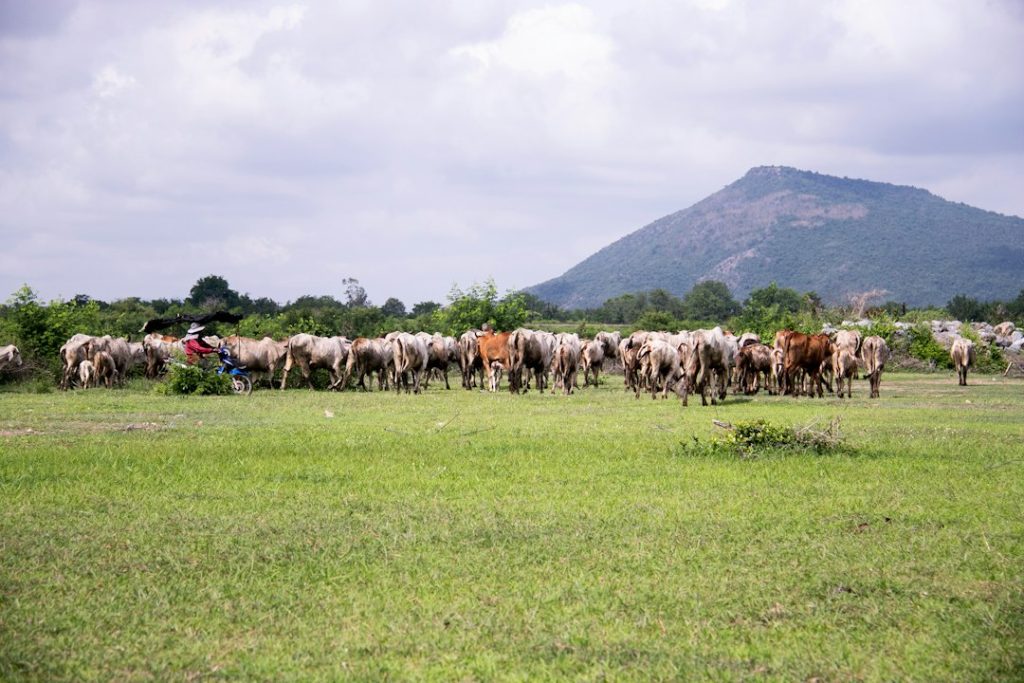
Regional traditions often develop through generations of agricultural practices, community relationships, and shared cultural experiences. In southern Thailand, cattle have played an important role in rural livelihoods and local customs. วัวชนแดนใต้.net traditions represent one aspect of this heritage, reflecting historical connections between livestock ownership, community gatherings, and the social importance of farming families.
How Did Cattle Become Part of Regional Traditions?
Cattle have historically been valuable animals in agricultural communities. They provided practical support through farming activities, contributed manure for fields, and represented an important household asset. Raising cattle also encouraged families to develop knowledge about feeding, breeding, animal health, and livestock management.
Over time, certain communities developed gatherings connected with cattle ownership. These occasions became opportunities for people to meet, exchange experiences, and maintain relationships. Their importance extended beyond livestock, reflecting local identity and the social connections found in rural life.
What Influenced the Development of Traditional Events?
Regional events often developed from everyday agricultural activities and community interests. Farmers who shared knowledge about cattle could also develop social relationships through local gatherings. These meetings sometimes became organized cultural occasions involving visitors, families, and livestock owners.
Local geography, economic conditions, and community customs influenced how traditions developed. Southern Thailand contains different agricultural landscapes and settlements, meaning that practices are not identical throughout the region. Each community may preserve its own stories and approaches to traditional celebrations.
How Have Traditions Changed Over Generations?
Cultural practices naturally change as communities experience economic development, education, and changing social expectations. Modern veterinary knowledge has improved understanding of cattle health, nutrition, disease prevention, and humane handling.
Younger generations may also participate differently from older family members. Some learn through livestock care and farming activities, while others preserve local heritage through storytelling, cultural exhibitions, and community education. These changes allow traditional knowledge to remain relevant in contemporary rural life.
Why Is Animal Welfare Important in Historical Traditions?
Understanding regional history should include recognizing the responsibilities involved in livestock ownership. Cattle need clean water, balanced nutrition, appropriate shelter, regular veterinary attention, and sufficient rest.
Traditional activities should never involve deliberate cruelty, unnecessary injuries, or excessive stress. Communities can recognize their cultural heritage through educational displays, livestock exhibitions, and non-harmful demonstrations. Respectful treatment ensures that animals remain central to responsible agricultural practices.
How Can Regional Traditions Be Preserved?
Preserving traditions requires cooperation between farmers, families, and community members. Recording local stories, sharing agricultural knowledge, and teaching younger generations about rural history can strengthen cultural connections.
Southern cattle traditions provide an opportunity to understand the relationship between agriculture and regional identity. By combining historical appreciation with responsible livestock care, communities can maintain meaningful customs while encouraging healthier farming practices and greater respect for animal welfare.