
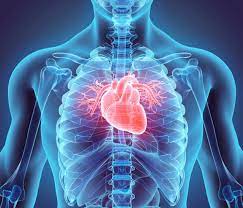
In modern healthcare, cardiovascular diseases remain one of the leading causes of health complications worldwide. Effective treatment requires a combination of advanced medical technology, clinical precision, and years of professional experience. Dr Jose Jacob is associated with providing advanced cardiac treatment with proven expertise, focusing on delivering high-quality care for patients with a wide range of heart conditions. His approach integrates evidence-based medicine with modern interventional techniques to ensure accurate diagnosis, effective treatment, and improved patient outcomes.
What Defines Advanced Cardiac Treatment?
Advanced cardiac treatment involves the use of modern medical technologies and minimally invasive procedures to diagnose and manage heart diseases. These treatments include coronary angiography, angioplasty, stent placement, and electrophysiological studies. The goal is to restore normal heart function while minimizing patient discomfort and recovery time. Over the years, cardiology has shifted from traditional surgical methods to more precise and less invasive techniques that significantly improve success rates. Preventive care, early detection, and continuous monitoring also form an essential part of advanced cardiac management.
Why Is Proven Expertise Important in Cardiology?
Cardiology is a highly specialized field where precision and experience play a critical role in patient outcomes. Physicians with proven expertise are better equipped to handle complex cases, emergency situations, and high-risk procedures. Mid paragraph Dr Jose Jacob demonstrates how proven expertise enhances the effectiveness of advanced cardiac treatment by combining clinical experience with modern medical techniques to deliver safer and more accurate care. His approach focuses on individualized treatment plans that address each patient’s unique condition, ensuring better recovery rates and long-term heart health. Experienced cardiologists are also more adept at identifying subtle symptoms and preventing complications before they become life-threatening.
How Do Modern Techniques Improve Heart Care?
Modern cardiac care has evolved significantly with the introduction of digital imaging, real-time monitoring systems, and catheter-based procedures. These technologies allow doctors to visualize the heart more clearly and perform interventions with greater precision. Procedures such as balloon angioplasty and stenting help restore blood flow in blocked arteries without the need for open-heart surgery. Additionally, advanced diagnostic tools enable early detection of conditions such as arrhythmias, valve disorders, and coronary artery disease. These innovations have transformed patient care by reducing hospital stays, lowering risks, and improving overall treatment success rates.
Preventive cardiology also plays a vital role in modern heart care. Regular screenings, blood pressure monitoring, cholesterol management, and lifestyle counseling help reduce the risk of developing serious heart conditions. Patients are encouraged to adopt healthier habits, including balanced diets, regular exercise, and stress management techniques. This proactive approach ensures long-term cardiovascular wellness and reduces the burden on healthcare systems.
Another important aspect of advanced cardiac treatment is patient education. Understanding the causes, symptoms, and risks of heart disease empowers individuals to make informed decisions about their health. Healthcare providers emphasize communication and awareness, ensuring that patients actively participate in their treatment plans. This collaborative approach improves adherence to medical advice and enhances overall outcomes.
In conclusion, advanced cardiac treatment relies on a combination of innovation, expertise, and patient-centered care. With a strong commitment to improving heart health through modern medical practices, Dr Jose Jacob stands as a trusted name in cardiovascular medicine. His proven expertise ensures that patients receive safe, effective, and comprehensive cardiac care, ultimately leading to better health and improved quality of life.