
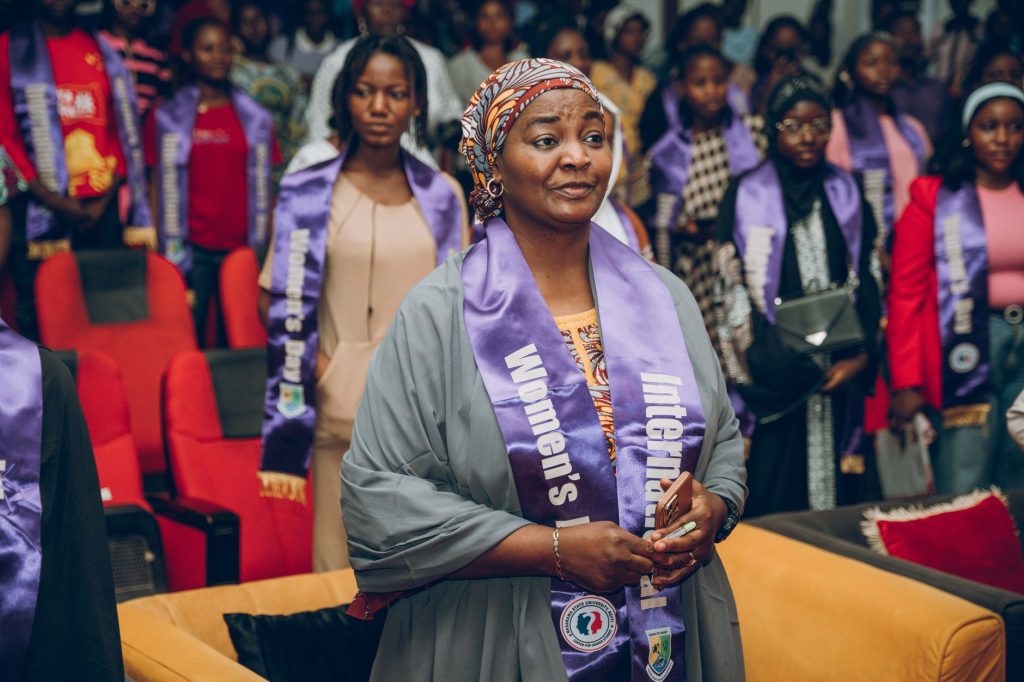
International Women’s Day is being observed today, highlighting the achievements and contributions of women worldwide. This day serves as a reminder of the ongoing fight for gender equality and women’s rights.
The History of International Women’s Day
International Women’s Day has a rich history that dates back over a century. It began as a movement advocating for women’s rights, particularly in economic and political arenas.
The first official International Women’s Day was celebrated on March 19, 1911, in Austria, Denmark, Germany, and Switzerland. Women rallied for equal rights, including the right to vote and hold public office. The following year, the date was moved to March 8, and it has been observed on this date ever since.
The day gained international recognition when, in 1977, the United Nations invited member states to proclaim March 8 as the UN Day for Women’s Rights and International Peace. This was a significant step towards promoting gender equality and women’s empowerment globally.
Over the years, International Women’s Day has evolved into a day not only to celebrate women’s achievements but also to raise awareness about the ongoing struggle for gender equality. Various themes have emerged each year, highlighting critical issues such as violence against women, economic disparity, and representation in leadership roles.
Today, International Women’s Day is celebrated worldwide with events, rallies, and educational campaigns aimed at inspiring action for women’s rights. It serves as a reminder of the progress made and the work still needed to achieve true equality.
Significance of International Women’s Day
International Women’s Day holds immense significance as it serves as a global reminder of the strides made towards gender equality and the challenges that still remain. Celebrated annually on March 8, this day is dedicated to honoring the achievements of women across various fields, including politics, science, art, and social activism.
The observance of International Women’s Day encourages people to reflect on the social, economic, cultural, and political barriers that women continue to face. It provides an opportunity for individuals and organizations to advocate for equal rights and opportunities, fostering an environment where women can thrive and lead.
Moreover, International Women’s Day acts as a catalyst for change. Events and campaigns organized around this day often highlight important issues such as:
- Gender-based violence: Raising awareness about the prevalence and impact of violence against women.
- Pay equity: Advocating for equal pay for equal work, addressing the gender wage gap.
- Access to education: Promoting educational opportunities for girls and women worldwide.
- Healthcare access: Ensuring that women have equitable access to healthcare services.
In essence, International Women’s Day is not just a celebration but a call to action, urging everyone to participate in the ongoing fight for gender equality and the empowerment of women globally.
How to Celebrate International Women’s Day
International Women’s Day is a time to honor women’s achievements and advocate for gender equality. Celebrating this day can take many forms, and individuals are encouraged to participate in various activities that promote awareness and support for women’s rights.
Here are some ways to celebrate International Women’s Day:
- Attend Local Events: Many communities host events such as workshops, panel discussions, and rallies. Participating in these gatherings can help amplify women’s voices and share important messages.
- Support Women-Owned Businesses: Consider shopping from women-owned local businesses or online stores. This not only supports female entrepreneurs but also promotes economic empowerment.
- Volunteer: Offer your time to organizations that support women’s causes. Whether it’s mentoring, fundraising, or running advocacy campaigns, your involvement can make a significant impact.
- Educate Yourself and Others: Take time to read about the history and ongoing challenges women face globally. Share this knowledge with friends and family to inspire discussions and action.
- Use Social Media: Use your platforms to highlight women’s achievements and share messages of empowerment. Consider using hashtags like #InternationalWomensDay to connect with others celebrating the day.
By participating in these activities, individuals can contribute to a larger movement towards equality and recognition of women’s invaluable contributions to society.
Global Events for Women’s Day 2023
This year, International Women’s Day is being celebrated with a range of global events aimed at empowering women and promoting gender equality. Around the world, organizations, communities, and individuals are coming together to honor the achievements of women while advocating for further progress.
Major events include:
- Marches and Rallies: Cities across the globe are hosting marches where participants express their solidarity with women’s rights. These gatherings serve not only as a celebration but also as a platform to address ongoing issues such as pay inequality and workplace discrimination.
- Workshops and Seminars: Educational institutions and community organizations are holding workshops focused on women’s empowerment. Topics range from leadership skills to mental health awareness, aiming to equip women with the tools they need to succeed.
- Art Exhibitions: Galleries are showcasing works by female artists, highlighting their contributions to culture and society. These exhibitions provide a vital space for women’s voices and perspectives.
- Online Campaigns: In the digital realm, social media campaigns are promoting stories of inspiring women, encouraging people to share their own experiences using hashtags related to International Women’s Day.
These events reflect a collective effort to not only celebrate women but also to inspire change, making International Women’s Day a truly worthy occasion.
Key Figures in Women’s Rights
International Women’s Day is not only a day of celebration but also a reminder of the significant figures who have shaped the women’s rights movement. These trailblazers have dedicated their lives to advocating for equality, justice, and empowerment, inspiring generations to continue the fight for women’s rights.
Among the many influential figures, Simone de Beauvoir is renowned for her groundbreaking work, The Second Sex, which challenged the traditional roles of women and laid the foundation for modern feminist thought. Another key figure is Malala Yousafzai, whose advocacy for girls’ education has garnered global attention, highlighting the importance of education as a fundamental right for all women.
In the realm of politics, Ruth Bader Ginsburg made significant strides in the U.S. Supreme Court, fighting against gender discrimination and advocating for women’s rights through landmark cases. Her legacy continues to inspire activists around the world.
Additionally, Angela Merkel, as the former Chancellor of Germany, has demonstrated the power of women in leadership roles, breaking barriers and paving the way for future generations of female leaders.
These figures, among many others, remind us that the journey towards gender equality is ongoing. As we observe International Women’s Day, we celebrate their contributions and reaffirm our commitment to championing women’s rights across the globe.
Challenges Women Face Today
As we observe International Women’s Day, it is crucial to acknowledge the myriad challenges that women continue to face globally. Despite significant progress in many areas, gender inequality remains a persistent issue that affects women’s lives in various dimensions.
Some of the most pressing challenges include:
- Gender-Based Violence: Many women experience violence in their homes, workplaces, and communities, leading to physical and emotional trauma.
- Economic Inequality: Women are often paid less than their male counterparts for the same work, limiting their financial independence and career advancement.
- Lack of Access to Education: In several regions, girls are still denied the right to education, which hampers their ability to improve their social and economic status.
- Underrepresentation in Leadership: Women remain underrepresented in decision-making positions across politics, business, and other fields, which affects policies that impact their lives.
- Health Disparities: Women often face barriers to accessing quality healthcare, particularly in reproductive health, which can have lasting effects on their well-being.
These challenges highlight the ongoing need for advocacy and awareness, making International Women’s Day not just a celebration, but a call to action for equality and justice for women everywhere.
Future of Gender Equality
The future of gender equality is a subject of ongoing discussion, particularly as we observe International Women’s Day. As societies evolve, the need for equal rights and opportunities for all genders remains a pressing issue. Achieving true gender equality requires a multifaceted approach that addresses systemic barriers and cultural norms.
Several key areas are pivotal in shaping a more equitable future:
- Education: Ensuring equal access to quality education for girls and women is fundamental. Educated women are more likely to participate in the workforce and contribute to their communities.
- Representation: Increasing women’s representation in leadership positions across various sectors, including politics and business, is crucial for making decisions that affect women’s lives.
- Legislation: Strong laws that protect women’s rights and promote equality are essential. Governments must work towards enacting and enforcing legislation that supports gender parity.
- Awareness: Raising awareness about gender-related issues can foster a culture of respect and equality. Campaigns and education can change mindsets and challenge stereotypes.
As we celebrate International Women’s Day, it is vital to recognize the progress made and the work still needed. The commitment to fostering gender equality must continue, involving everyone in the journey towards a fairer future.
Photo by unique bash Creative on Pexels
Where this came from
News On AIR · International Women’s Day
Related reading
Matthew Syken – Legal Strategies for Building More Compliant Businesses · Dr. Valinda Nwadike – Advancing Awareness Around Postpartum Wellness · Dr. Jacqueline Youtsos and the Growing Importance of Research-Oriented Professional Education