
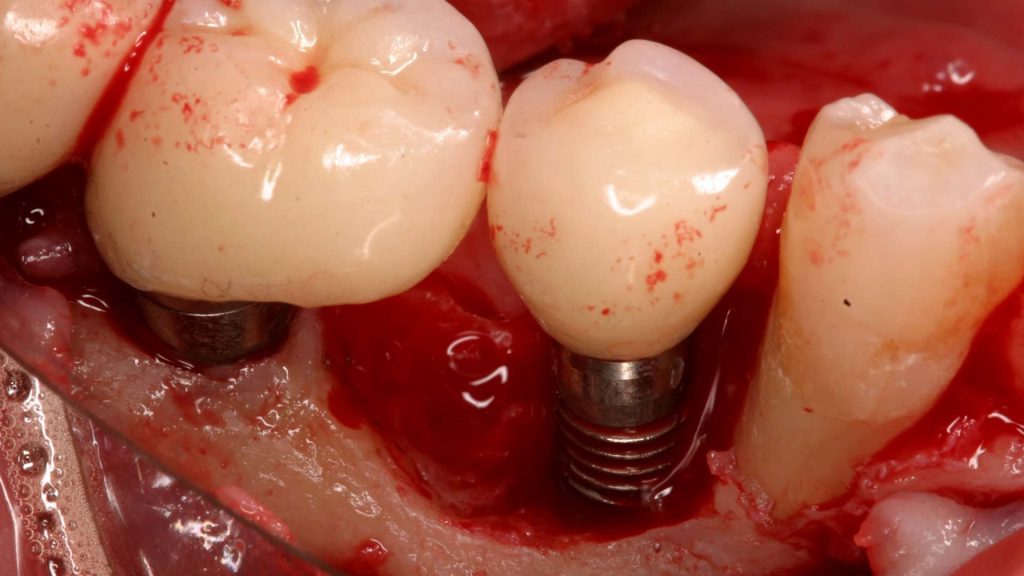
What they don’t tell you about dental implants is the importance of long-term maintenance. Regular dental check-ups and proper oral care are crucial for the success of your implants. Understanding the potential risks and complications involved is also vital. Don’t overlook the essential post-implant care instructions provided by your dentist. It’s time to delve into the lesser-known aspects of what they don’t tell you about dental implants.

What They Don’t Tell You About Dental Implants
Introduction
So, you’re considering getting dental implants, or maybe you already have them. Dental implants are a fantastic solution for missing teeth, providing a natural look and feel that can boost your confidence and improve your overall oral health. However, there are some things about dental implants that you might not hear about as much. In this blog post, we’ll delve into what they don’t tell you about dental implants to give you a full picture of what to expect.
The Cost Factor
One of the things they don’t always emphasize when discussing dental implants is the cost. Dental implants are a significant investment in your oral health, and the price tag can be daunting. While the initial cost may seem high, it’s essential to consider the long-term benefits of dental implants. They are durable and can last a lifetime with proper care, making them a cost-effective solution in the long run.
Insurance Coverage
Another aspect of the cost to consider is insurance coverage. Many dental insurance plans do not fully cover the cost of dental implants since they are considered a cosmetic procedure. Be sure to check with your insurance provider to understand what portion of the cost they will cover and what out-of-pocket expenses you may incur.
The Recovery Process
After getting dental implants, the recovery process is crucial but often not emphasized enough. It’s essential to follow your dentist’s post-operative instructions carefully to ensure proper healing. Some discomfort, swelling, and minor bleeding are normal in the days following the implant procedure. Make sure to give yourself time to rest and recover to allow the implants to integrate fully with your jawbone.
Dietary Restrictions
During the initial healing period, you may need to follow a soft food diet to avoid putting unnecessary pressure on the implants. Crunchy or hard foods can disrupt the healing process and potentially damage the implants. Your dentist will provide you with specific dietary guidelines to follow during this time.
Long-Term Maintenance
While dental implants are durable and long-lasting, they are not maintenance-free. Proper oral hygiene is essential to ensure the longevity of your dental implants. Regular dental check-ups and professional cleanings are crucial to monitor the health of your implants and prevent any issues from arising.
Implant Failure Risk
Although rare, there is a risk of implant failure, especially if proper oral hygiene practices are not followed. Factors such as smoking, chronic diseases, and poor oral hygiene can increase the risk of implant failure. It’s essential to be diligent about caring for your dental implants to minimize the chances of complications.
Psychological Impact
Getting dental implants can have a significant psychological impact on your self-esteem and confidence. However, this aspect is not always discussed in detail. Many people experience a boost in self-confidence and overall well-being after getting dental implants, as they can restore a natural-looking smile and improve oral function.
Adjustment Period
It’s essential to recognize that there may be an adjustment period after getting dental implants. Your new teeth may feel slightly different from your natural teeth at first, and it may take some time to get used to them. Be patient with yourself and allow time to adapt to the changes.
In conclusion, dental implants are a fantastic solution for missing teeth, but there are some aspects of the procedure and aftercare that are not always highlighted. Understanding what they don’t tell you about dental implants can help you make an informed decision and prepare for what to expect during the process. Remember to discuss any concerns or questions with your dentist to ensure a successful outcome with your dental implants.
6 Things your Dentist May NOT tell you about All on 4 or a Full Set of Dental Implants
Frequently Asked Questions
What factors can affect the success of dental implants?
Several factors can influence the success of dental implants, including the patient’s overall health, oral hygiene practices, bone quality and quantity at the implant site, the expertise of the dental provider performing the procedure, and adherence to post-operative care instructions. It’s essential to discuss any medical conditions, medications, or habits like smoking with your dentist before undergoing implant surgery.
Are there potential risks or complications associated with dental implant surgery?
Like any surgical procedure, dental implant surgery carries some risks and potential complications, such as infection, nerve damage, implant failure, or damage to surrounding tissues. However, with proper planning, skilled professionals, and diligent aftercare, these risks can be minimized. It’s crucial to follow your dentist’s instructions closely and attend all follow-up appointments to monitor the healing process.
What long-term maintenance is required for dental implants?
While dental implants are designed to be a long-term solution for missing teeth, they still require regular maintenance to ensure their longevity. Good oral hygiene practices, including daily brushing, flossing, and regular dental check-ups, are essential to prevent gum disease and implant complications. Your dentist may also recommend specialized cleaning tools or periodic professional cleanings to keep your implants in optimal condition.
Final Thoughts
In conclusion, what they don’t tell you about dental implants is the potential for complications, such as infection and implant failure. Patients should be aware of the lengthy process and possible need for additional surgeries. Additionally, the cost of maintenance and regular check-ups is often underestimated. It’s essential to thoroughly research and consult with a qualified dentist before committing to dental implant surgery.